

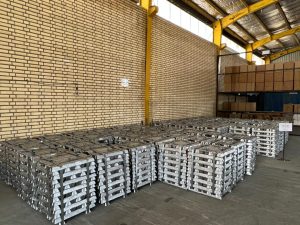

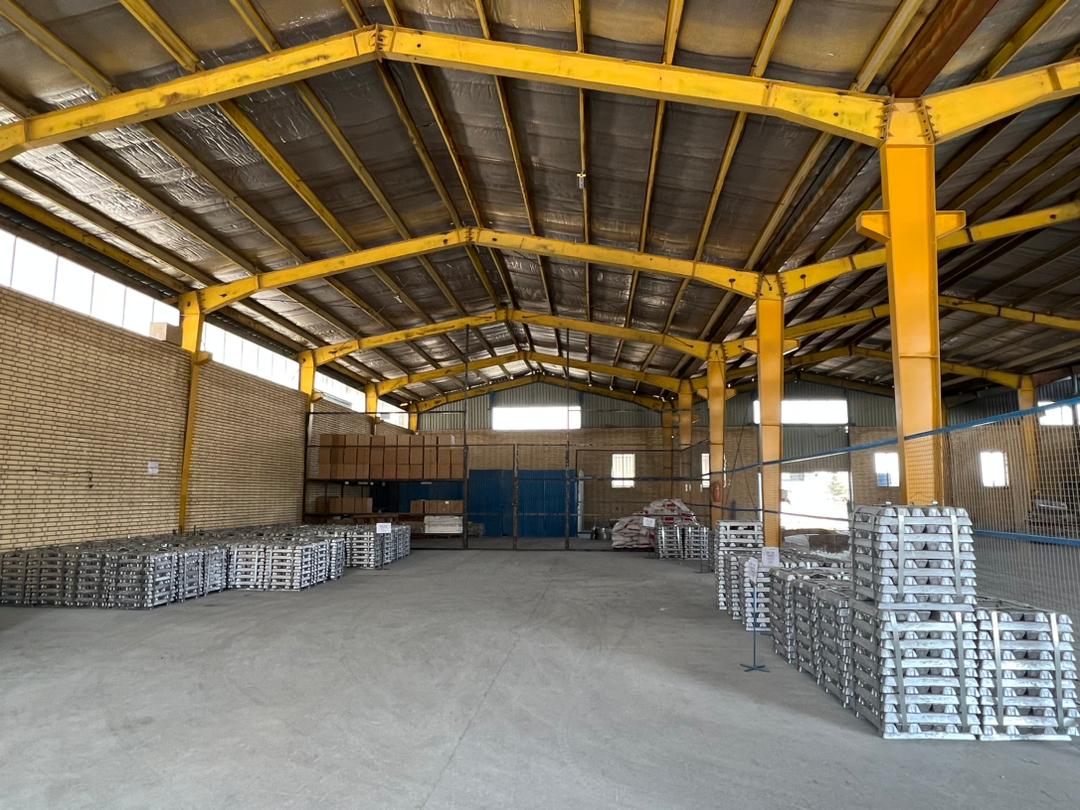
The price of aluminium ingot in Iran is not fixed: it moves with a number of global and domestic factors. Understanding them helps industrial buyers plan when to buy and how to budget for raw materials.
1. The world aluminium price (LME)
The London Metal Exchange (LME) is the main reference for the world aluminium price. Swings in global supply and demand, developments at major producers and geopolitical events all feed directly into it. See the live LME aluminium chart on our home page.
2. The exchange rate
Because the world price is in US dollars, changes in the exchange rate in Iran's domestic market have a direct effect on the rial price of ingot.
3. Grade and alloying elements
As well as aluminium, alloy ingot contains elements such as silicon, copper and magnesium, each with its own price. Grades with more copper or with tighter impurity limits (such as A356.2) usually cost a different amount to produce.
4. Energy and production costs
Melting, holding the melt, degassing and quality control all need energy and skilled people, and they make up part of the cost price.
5. Domestic supply and the commodity exchange
Primary aluminium from Iranian producers is offered on the Iran Mercantile Exchange, and the price discovered there affects the cost of raw materials — and therefore of alloy ingot.
6. Order size and terms
Order quantity, delivery time and payment terms also affect the final price.
For today's price of Almas alloy ingot, contact the sales team or send your request with the “Ask us anything” button.