


Products
Request a quoteAlmas products
Aluminium alloys,
made for industry.
Using advanced technology and skilled people, we deliver the best aluminium products.

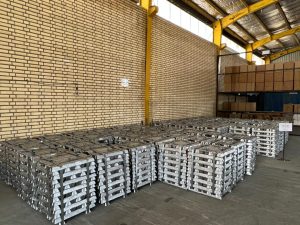
Alloy Ingot
Aluminium alloy
ingot.
Aluminium ingot is a non-ferrous product made by pouring molten aluminium into special moulds. The moulds come in many sizes and shapes, so ingots vary in appearance.
History of aluminium
Historical records trace the first use of aluminium compounds to the fifth century BC, when people used them to fix dyes and in the defence of cities. The first deliberate attempt to extract aluminium came in 1530, when the Swiss physician Paracelsus proposed obtaining it from alum. Today aluminium is the second most widely used metal in the world after iron, and its broad use across industries has brought particular attention to finding and mining its ores in Iran.
- Stable, precise chemistry
- Purity, strength and structural uniformity
- Suited to automotive, parts manufacturing, foundry and home appliance use
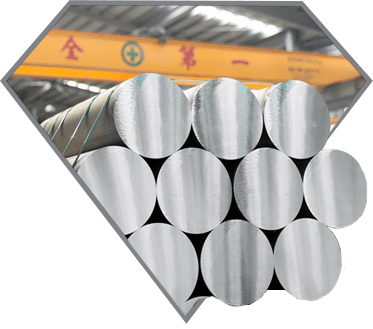
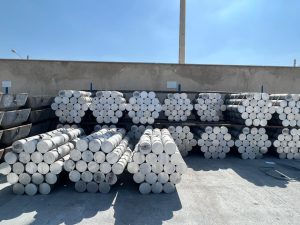
Alloy Billet
Aluminium alloy
billet.
Aluminium alloys usually contain 90–96% aluminium, with one or more other elements added to improve their properties. Besides the main elements, they contain several minor elements that are present in very small amounts but have a large effect on their properties.
- Consistent quality in every batch
- Precise control of main and minor alloying elements
- High output for large projects

Aluminum Granules
Aluminium alloy
granules.
Aluminium hemispheres of 80–99% aluminium purity, used to deoxidize alloy steel.
- Main production purity
- 96% and 97%
- Hemisphere diameter
- 70 mm
- Approx. weight per piece
- 250 g
- Packing
- 50 kg bags; 500 kg and 1,000 kg jumbo bags
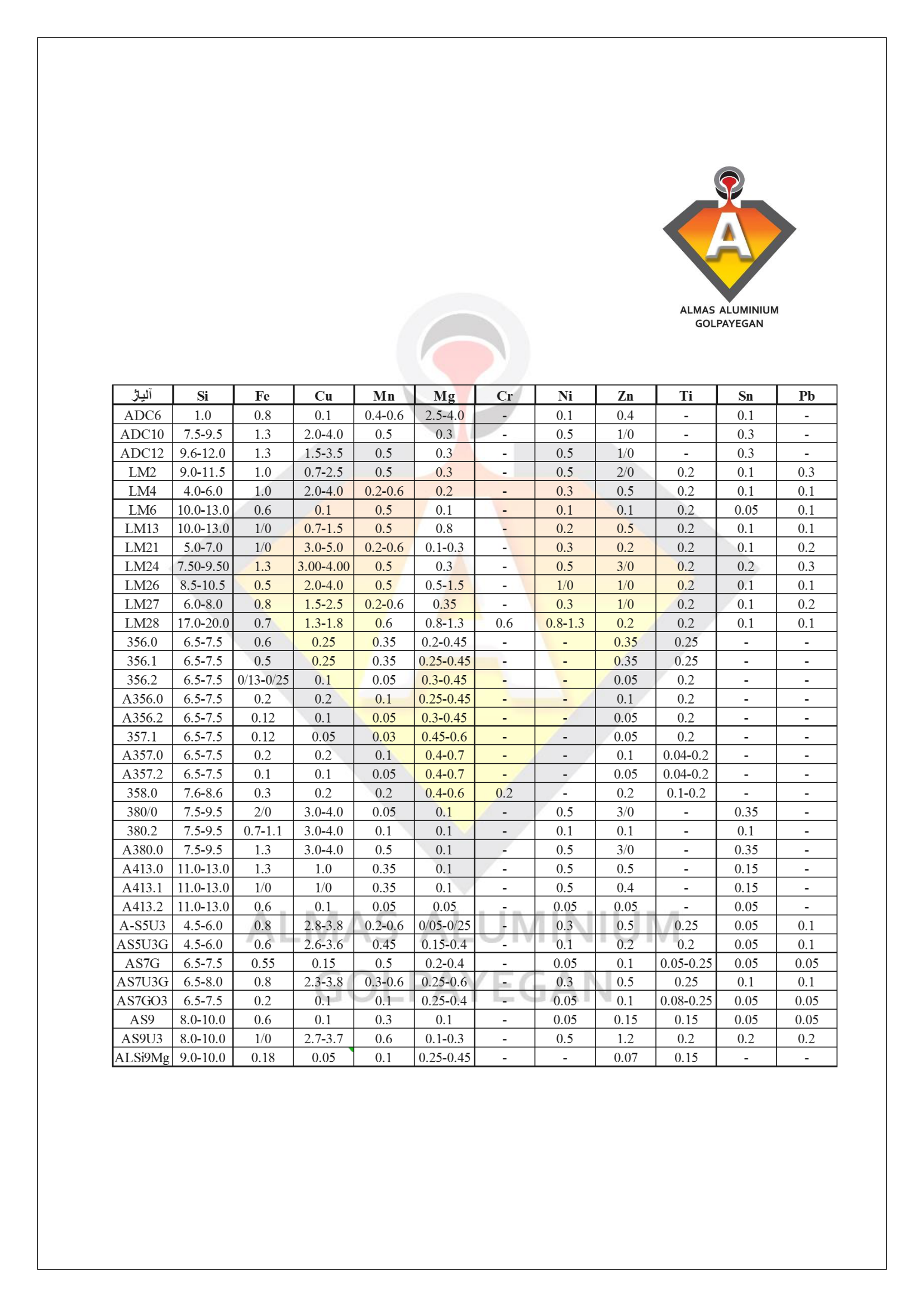
Composition table
Alloy grades.
Chemical composition of the grades Almas produces (weight percent of Si, Fe, Cu, Mn, Mg, Cr, Ni, Zn, Ti, Sn and Pb).
- ADC6
- ADC10
- ADC12
- LM2
- LM4
- LM6
- LM13
- LM21
- LM24
- LM26
- LM27
- LM28
- 356.0
- 356.1
- 356.2
- A356.0
- A356.2
- 357.1
- A357.0
- A357.2
- 358.0
- 380.0
- 380.2
- A380.0
- A413.0
- A413.1
- A413.2
- A-S5U3
- AS5U3G
- AS7G
- AS7U3G
- AS7G03
- AS9
- AS9U3
- AlSi9Mg
Alloy finder
Which grade is right for your part?
Choose the casting method and the property that matters most to see suggested grades.
Suggestions are based on the typical use of each alloy. Please consult Almas technical staff before making a final choice.
Tool
Aluminium weight calculator.
Choose the cross-section and enter the dimensions to estimate the weight.
Full weight calculator page with formulas