

Aluminium is never found pure in nature. Its production chain starts with bauxite ore and reaches aluminium metal through two main industrial processes: Bayer and Hall–Héroult.
1. Bauxite
Bauxite is the main ore of aluminium and is rich in hydrated aluminium oxides. Roughly several tonnes of bauxite are needed for every tonne of aluminium.
2. The Bayer process: making alumina
In the Bayer process, bauxite is dissolved in hot caustic soda, impurities (red mud) are separated, and aluminium hydroxide is precipitated from the solution; after calcining, it becomes alumina, a white aluminium oxide powder. About two tonnes of alumina are used for every tonne of aluminium.
3. The Hall–Héroult process: electrolysis
Alumina is dissolved in a bath of molten cryolite at about 950 °C, and a very large electric current is passed through the reduction cells, so that molten aluminium collects at the bottom of each cell. This step is extremely energy-intensive, which is why electricity costs play a decisive role in primary aluminium. New technologies such as inert anodes (for example ELYSIS) are being developed to eliminate carbon emissions from this step.
4. Casting
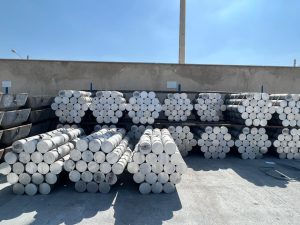
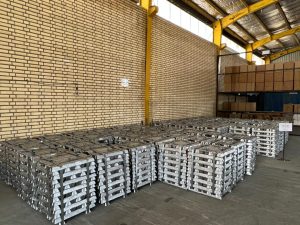
The molten aluminium is cast into pure ingot, billet, slab or alloy ingot. See what is aluminium ingot?
Aluminium producers in Iran
Iran's aluminium chain includes alumina production at Jajarm and primary aluminium smelters such as IRALCO (Arak), Al-Mahdi Aluminium (Bandar Abbas) and South Aluminium (Lamerd). Their primary ingot is sold on the Iran Mercantile Exchange and feeds downstream industries, including producers of alloy ingot, extrusions and sheet.
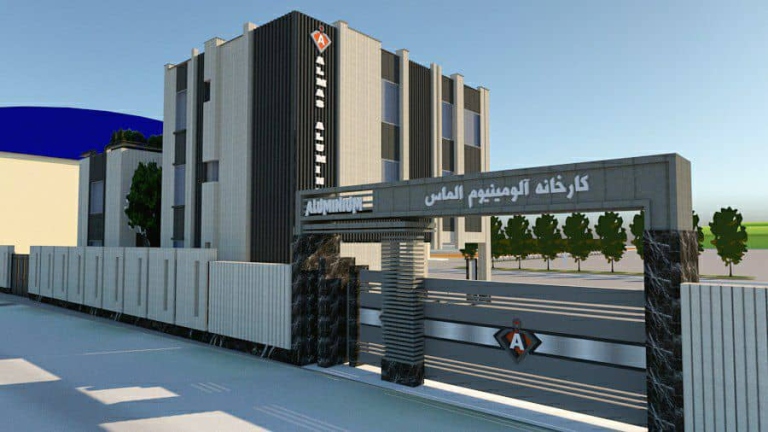
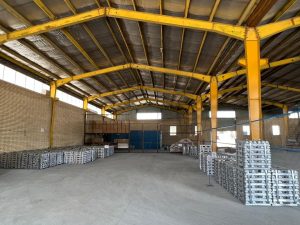
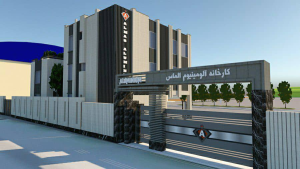
Almas Aluminium Golpayegan is part of the downstream end of this chain, producing aluminium alloy ingot and billet.