

Industry gets its aluminium from two routes: primary aluminium, made from ore, and secondary aluminium, made by melting and refining scrap. Understanding the difference helps you choose the right ingot.
Primary aluminium
The primary chain starts with mining bauxite, continues with refining it into alumina, and ends in a smelter where alumina is reduced to aluminium metal by electrolysis. The process uses a great deal of electricity and produces high-purity aluminium (for example grade P1020).
Secondary aluminium
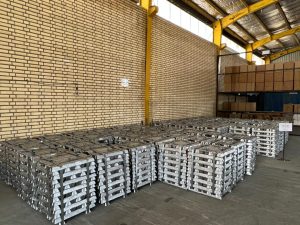
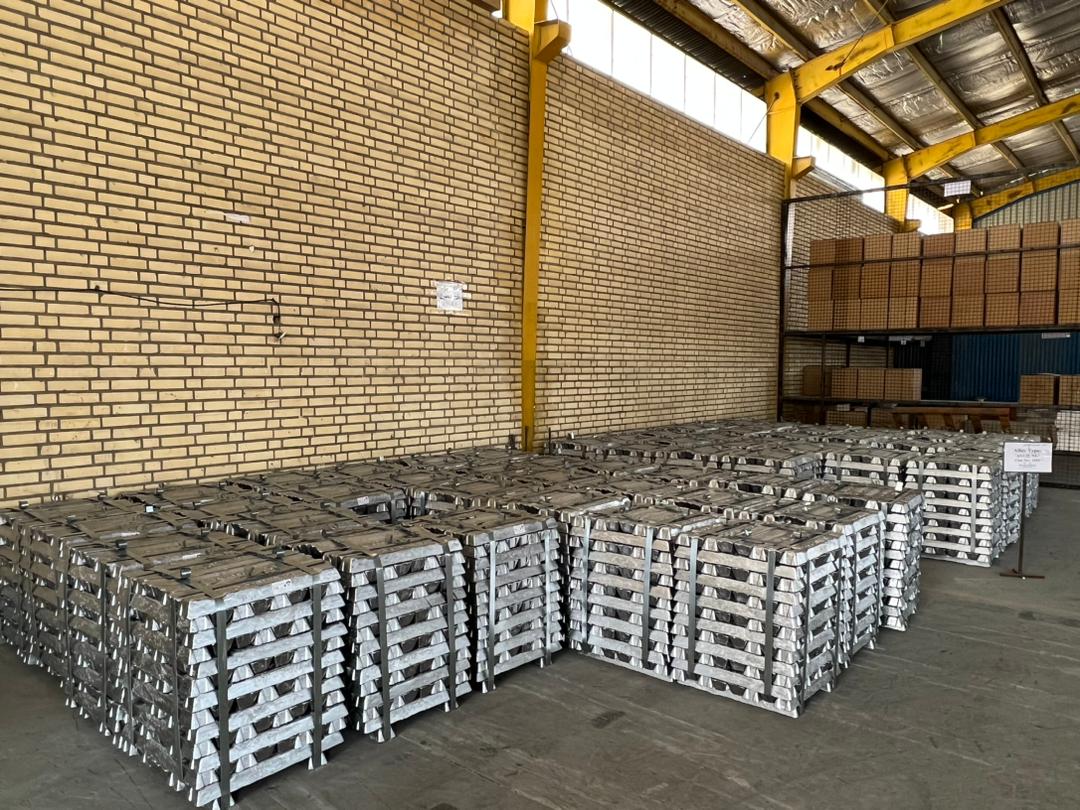
In secondary production, aluminium scrap is sorted, melted and refined, and its chemistry is adjusted to make alloy ingot. Remelting aluminium uses only a small fraction of the energy of primary production (about 5%), and aluminium can be recycled again and again without losing its properties.
At a glance
| Feature | Primary | Secondary |
|---|---|---|
| Raw material | Alumina (from bauxite) | Aluminium scrap |
| Energy use | Very high | About 5% of primary |
| Purity | High, few impurities | Depends on scrap quality and refining |
| Main use | Sheet, foil, wire rod, alloy making | Foundry alloy ingot |
What does secondary ingot quality depend on?
The main challenge in secondary production is controlling elements such as iron, zinc and copper that come in with the scrap. Careful scrap sorting, melt refining and degassing, and a laboratory analysis of every melt make sure the ingot falls within the limits of the target grade.
For the element limits of each grade, see the Almas ingot composition table. You may also like our article on aluminium recycling.