

Aluminium can be melted and reused again and again without losing its properties. That is why aluminium recycling has become one of industry's most successful examples of the circular economy.
Energy savings
Making aluminium from scrap uses only about 5% of the energy needed to make primary aluminium from ore. In other words, recycling cuts energy use — and greenhouse gas emissions — by about 95%.
The recycling loop
- Collection: industrial (process) scrap and post-consumer scrap (cans, profiles, car parts).
- Sorting: separating by alloy type and removing non-aluminium material — the most important step for product quality.
- Melting and cleaning: melting in a furnace, skimming, fluxing and degassing.
- Alloying: adjusting the chemistry using laboratory analysis and additions of alloying elements.
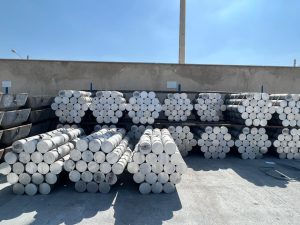
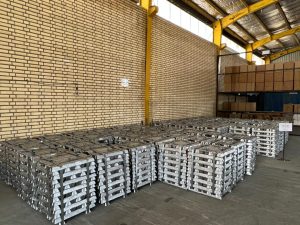
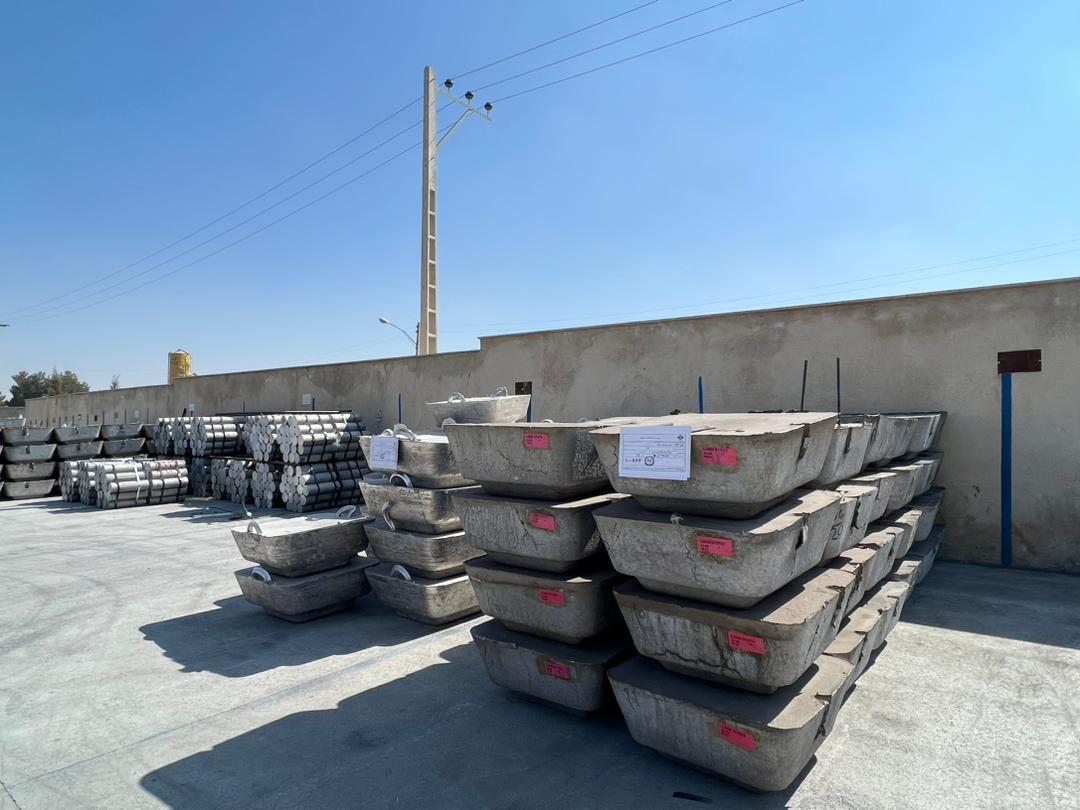
- Ingot casting: producing secondary alloy ingot for foundries.
The beverage can leads the way
According to the International Aluminium Institute (IAI), aluminium cans have the highest global recycling rate of any beverage packaging — a clear sign of the economic value of recycled aluminium.
The role of secondary alloy ingot
Most casting alloys, such as ADC12 and A380, are made largely from recycled aluminium, because their composition ranges tolerate some of the elements that come with scrap. The key to quality is tight control of unwanted elements. Read primary versus secondary aluminium ingot.
For the grades we produce, see the Almas products page.