

Aluminium alloys are named with a standard numbering system that tells you the main alloying element and the alloy family. The system is defined separately for wrought alloys (rolled, extruded or forged) and cast alloys.
Wrought alloys (four digits)
| Series | Main element | Features and typical use |
|---|---|---|
| 1xxx | Pure aluminium (99% min.) | High conductivity and corrosion resistance; foil, electrical conductors |
| 2xxx | Copper | High strength; aerospace (e.g. 2024) |
| 3xxx | Manganese | Good formability; cans, cookware (e.g. 3003) |
| 4xxx | Silicon | Welding wire and brazing (e.g. 4043) |
| 5xxx | Magnesium | Marine corrosion resistance; shipbuilding (e.g. 5083) |
| 6xxx | Magnesium and silicon | Extrusions and structures; heat-treatable (6061 and 6063) |
| 7xxx | Zinc | Highest strength; aerospace (7075) |
| 8xxx | Other elements (such as iron or lithium) | Foil and special applications |
Cast alloys (three digits and a decimal)
| Series | Main element | Examples |
|---|---|---|
| 1xx.x | Pure aluminium | — |
| 2xx.x | Copper | — |
| 3xx.x | Silicon with copper and/or magnesium | 356, A356, 380, A380 |
| 4xx.x | Silicon | A413 |
| 5xx.x | Magnesium | — |
| 7xx.x | Zinc | — |
| 8xx.x | Tin | Bearing alloys |
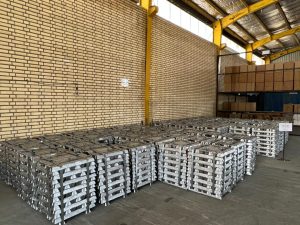
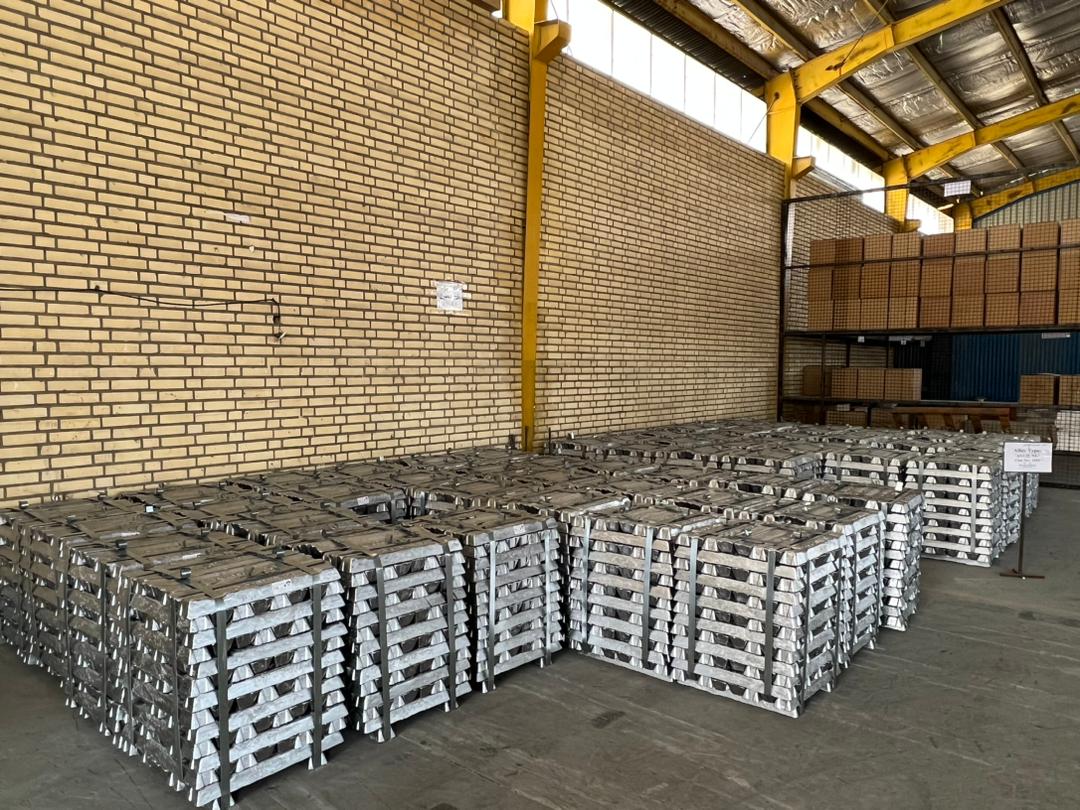
The digit after the decimal point shows the product form: .0 for castings and .1 and .2 for ingot. Other standards, such as Japan's JIS (ADC12) and Britain's BS (LM6, LM24), have their own designations; all of these grades appear in the Almas composition table.
Temper codes
The alloy number is usually followed by a temper code such as T6 or H14, which shows the heat treatment or work hardening the material has received. See our article on aluminium heat treatment and temper codes for the full explanation.