

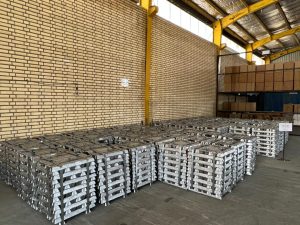

Aluminium scrap is one of the most valuable metal scraps, because it can be remelted again and again without losing its properties. But not all scrap is equal: the alloy type, cleanliness and contamination determine the value of each grade.
Common types of aluminium scrap
- Extrusions and profiles: usually 6xxx alloys; among the cleanest and most valuable grades.
- Sheet and foil: various wrought alloys; value depends on coatings and paint.
- Beverage cans: a uniform alloy with lacquer and coatings; suited to can-to-can recycling.
- Castings (engines, gearboxes): high-silicon alloys; the main raw material for secondary casting ingot.
- Turnings and swarf: a large surface area and oily contamination; must be dried and cleaned before melting.
- Mixed scrap: a mix of alloys and non-aluminium materials; the lowest-value grade.
Why sorting matters
Elements such as iron, copper and zinc are hard to remove once they are in the melt. If scrap is not sorted, the ingot's composition drifts outside the standard limits. Producers of secondary ingot control this risk through careful sorting and an analysis of every melt.
What sets the price of scrap
The price of aluminium scrap depends on the world aluminium price (see aluminium price today), the type and cleanliness of the scrap, the level of contamination and demand from smelters.
Read more: aluminium recycling.