

High-pressure die casting (HPDC) injects molten aluminium into a steel die at high speed and pressure. It is one of the most economical ways to mass-produce precise, thin-walled parts.
Cold-chamber die casting
Aluminium is cast on cold-chamber machines: for each shot, molten metal is ladled from a holding furnace into the shot sleeve. This is because molten aluminium attacks the steel components of the injection system in hot-chamber machines.
Main steps
- Preparing and lubricating the die
- Transferring the melt to the shot sleeve
- Fast injection, then intensification pressure to reduce porosity
- Solidification, die opening and ejection of the part
- Removing runners and flash, and finishing
Advantages and limitations
Advantages: high volumes, good dimensional accuracy, a clean surface, and the ability to make complex, thin-walled parts.
Limitations: expensive dies, and trapped air in the part, which limits heat treatment and welding. Vacuum die casting is used to reduce this problem.
Alloys for die casting
- ADC12: the most widely used, all-purpose alloy
- A380 and LM24: a balance of strength, castability and cost
- A413 and LM6: the best fluidity for thin walls and pressure-tight parts
- ADC10: more copper and better machinability
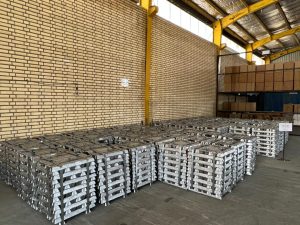
The quality of the incoming ingot has a direct effect on die-casting defects. Learn about common casting defects, and contact Almas Aluminium for die-casting ingot.