

Aluminium, chemical symbol Al and atomic number 13, is the most abundant metal in the Earth's crust and the most widely used non-ferrous metal in the world. Its lightness, corrosion resistance, conductivity and endless recyclability have made it a core metal of the automotive, construction, packaging and energy industries.
Physical properties of aluminium
| Property | Value |
|---|---|
| Density | About 2.70 g/cm³ (roughly one third of steel) |
| Melting point (pure) | About 660 °C |
| Crystal structure | Face-centred cubic (FCC) |
| Conductivity | A very good conductor of heat and electricity |
| Magnetism | Non-magnetic |
For more detail, read our articles on the melting point of aluminium and the density of aluminium.
Why doesn't aluminium rust?
As soon as it meets air, the surface of aluminium is covered by a very thin, tightly bonded layer of aluminium oxide that protects the metal beneath from corrosion. Anodizing makes this same layer thicker and tougher.
Pure aluminium and aluminium alloys
Pure aluminium is soft, so it is mostly used as an alloy with elements such as silicon, copper, magnesium, manganese and zinc. Alloys fall into two groups: wrought alloys (for sheet, extrusions and forgings) and cast alloys (for cast parts). Learn about the aluminium alloy series.
How is aluminium produced?
Aluminium comes from bauxite ore: it is first refined into alumina by the Bayer process and then reduced to aluminium metal by Hall–Héroult electrolysis. The full story is in our article on producing aluminium from bauxite.
Uses of aluminium
- Automotive and transport: engine parts, wheels, body panels and battery enclosures for electric vehicles
- Construction: window and door profiles, façades and lightweight structures
- Power and energy: transmission cables and solar panels
- Packaging: beverage cans and foil
- Home appliances, refrigeration and shipbuilding
Recycling aluminium
Aluminium can be recycled again and again without losing its properties, and remelting it uses only about 5% of the energy of primary production. Read more about aluminium recycling.
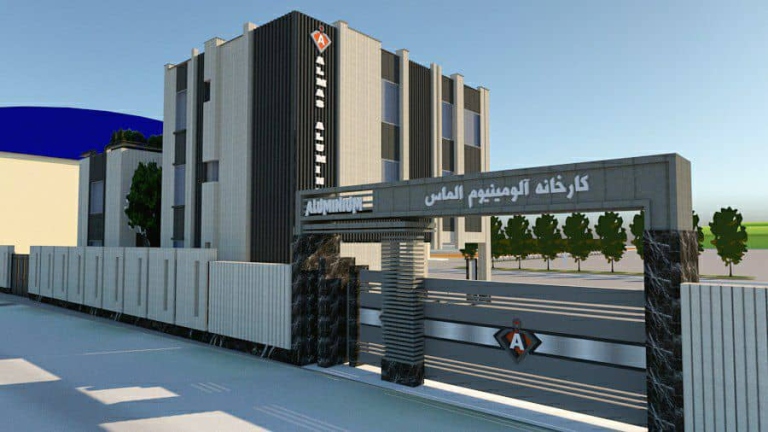
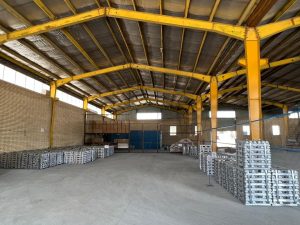
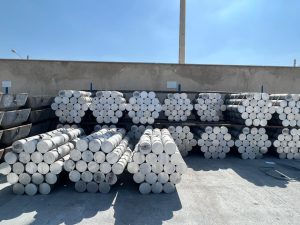
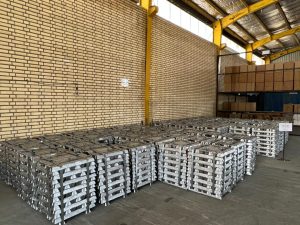
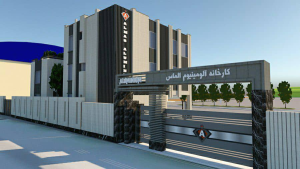
Almas Aluminium Golpayegan produces aluminium alloy ingot, billet and granules. See our technical aluminium articles for all the related topics.